Skip to content

Table of Contents
Dark spots and uneven skin tone rarely come from one cause alone. Years of sun exposure, acne, hormonal changes, and everyday inflammation can all leave visible pigment behind, making the skin look dull or patchy over time. Treatments such as IPL, chemical peels, and microneedling with PRF or PRP can help improve Hyperpigmentation, support skin brightening, and address visible sun damage with a treatment plan tailored to your skin’s needs.
Understanding Why Hyperpigmentation Happens
Hyperpigmentation happens when the skin produces extra melanin, the pigment responsible for skin color. This extra pigment may appear in small spots, larger patches, or an overall uneven tone.
Common causes include:
- Sun exposure
- Hormonal changes
- Melasma
- Acne marks
- Skin irritation
- Inflammation after procedures or injuries
- Natural aging
Sun exposure is one of the biggest contributors because ultraviolet light stimulates melanin production. Even a small amount of repeated exposure can make existing discoloration darker. This is why pigment concerns often return when sunscreen is not used consistently.
Melasma is a different type of pigmentation concern. It often appears as brown or gray-brown patches on the cheeks, forehead, upper lip, or jawline. It can be triggered by hormones, heat, sun exposure, and genetics. Because melasma is more reactive, melasma treatment often requires a gentler, more controlled approach than basic sun spot correction.
IPL Treatments for Sun Damage and Brown Spots
IPL, or intense pulsed light, is commonly used to address visible signs of sun damage. It is not technically a laser, but it utilizes broad-spectrum light in targeting pigment and redness in the skin. The light energy is absorbed by unwanted pigment, which then gradually darkens, flakes, or fades as the skin renews itself.
IPL may be helpful for:
- Brown sun spots
- Freckles caused by UV exposure
- Uneven tone
- Redness
- Blotchiness
- Mild visible photoaging
One reason IPL is often chosen for skin brightening is that it can address both pigment and redness in one treatment plan. Patients with fair to medium skin tones may be better candidates, while deeper skin tones require careful evaluation because light-based treatments can sometimes cause unwanted pigment changes when not selected properly.
IPL is often done in a series. Results usually build over several sessions because pigment responds gradually. The skin may look slightly pink after treatment, and brown spots can temporarily darken before they fade. This is expected for many patients and is part of the pigment-lifting process.
IPL is not always the best fit for melasma. Since melasma can be heat-sensitive, some IPL treatment patients may need a different plan that focuses more on topical pigment control, gentle peels, or other provider-guided options.
Microneedling With PRF or PRP for Tone, Texture, and Skin Repair
Microneedling is a treatment that creates controlled micro-channels in the skin. These small channels signal the skin to repair itself and support collagen production. While many people think of microneedling for texture and acne scars, it can also be part of a plan for uneven tone, dullness, and certain types of post-inflammatory pigmentation.
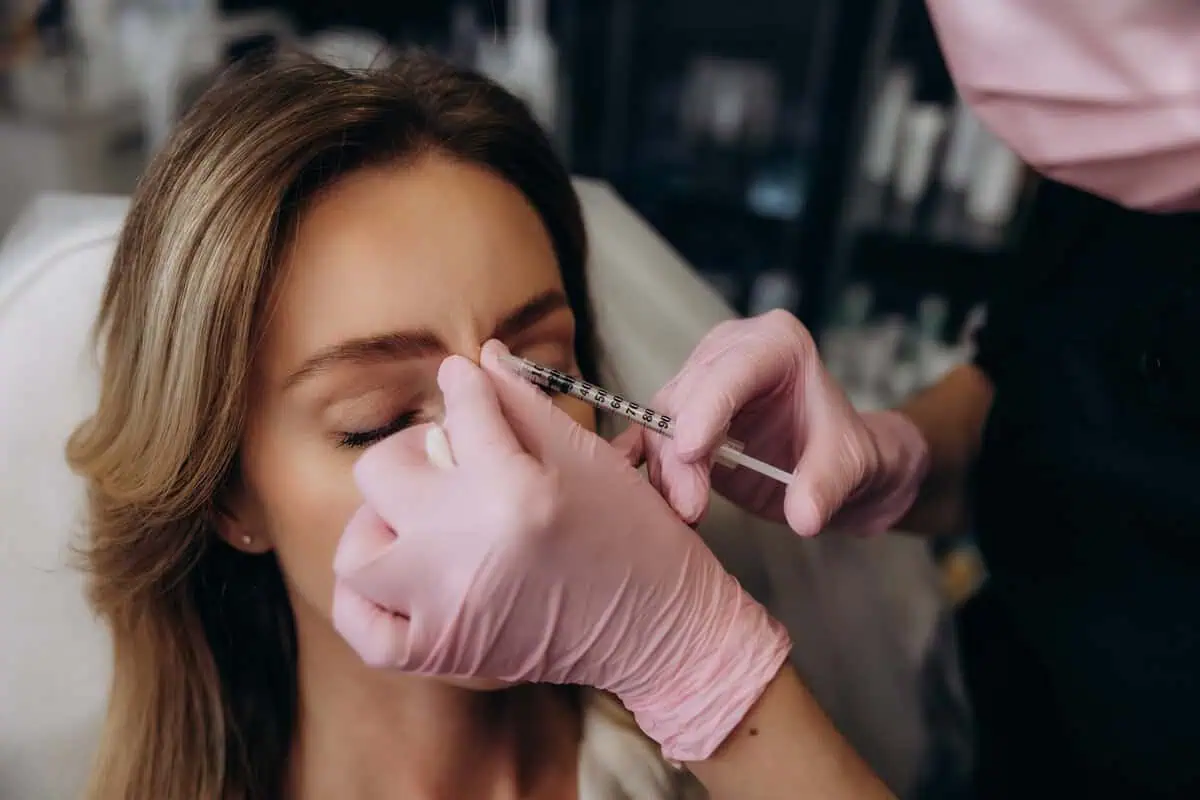
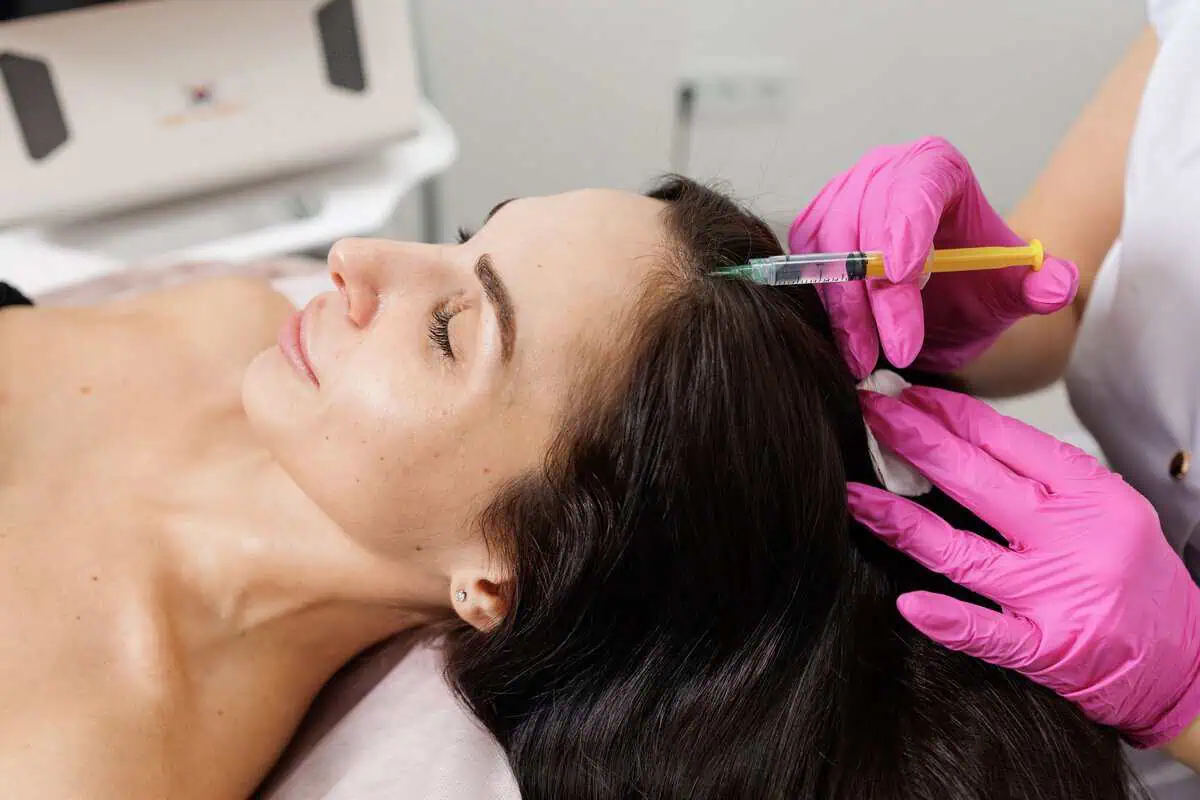
When paired with PRF or PRP, microneedling can offer added support for skin quality. PRP stands for platelet-rich plasma, and PRF stands for platelet-rich fibrin. Both are created from a patient’s own blood and contain platelets, growth factors, and other components involved in healing and tissue repair.
Microneedling with PRF or PRP may help improve:
- Rough texture
- Post-acne discoloration
- Dull tone
- Fine lines
- Mild laxity
- Overall skin quality
PRF and PRP do not bleach pigment or erase sun spots directly. Instead, they support the skin’s repair process, which can make the complexion look healthier and more even over time. This makes the treatment especially useful when discoloration appears alongside texture changes, acne marks, or early signs of aging.
This option can be appropriate for a wider range of skin tones when performed properly. Still, the skin should be assessed first, especially for patients prone to pigmentation after inflammation. Treatment depth, spacing, aftercare, and home skincare all matter.
Chemical Peels for Hyperpigmentation and Skin Brightening
Chemical peels are a trusted option for improving discoloration, dullness, and surface sun damage. A peel utilizes a controlled solution to exfoliate the outer layers of the skin. As damaged skin cells shed, the complexion can look smoother, brighter, and more even.
Chemical peels may help with:
- Dark spots
- Uneven skin tone
- Sun-related discoloration
- Melasma support
- Acne marks
- Dullness
- Rough texture
Different peels work at different depths. Light peels may create minimal flaking and are often done in a series. Medium-depth peels may produce more visible peeling and downtime but can offer stronger correction for certain concerns.
For hyperpigmentation, chemical peels need to be selected with care. A peel that is too aggressive can irritate the skin and potentially make pigmentation worse, especially in deeper skin tones or melasma-prone skin. The goal is controlled improvement, not unnecessary inflammation.
Peels may also be combined with medical-grade skincare. Ingredients such as retinoids, vitamin C, azelaic acid, kojic acid, glycolic acid, niacinamide, or prescription brightening agents may be used before or after a peel series, depending on the patient’s skin type and tolerance.
Why Home Skincare Still Matters
Professional treatments can make a visible difference, but daily skincare protects the progress. Pigment concerns are strongly influenced by sun exposure, inflammation, and inconsistent routines.
A strong home plan often includes:
- Broad-spectrum sunscreen every morning
- Antioxidants such as vitamin C
- Gentle exfoliation when appropriate
- Pigment-regulating ingredients
- Retinoids if tolerated
- Barrier-supporting hydration
Sunscreen is especially important. Without it, sun damage can continue, and treated spots may darken again. Patients treating melasma often need extra protection from visible light and heat, not just UV rays. Tinted sunscreen with iron oxides may be recommended for some people because it can help protect against visible light that may worsen melasma.
Choosing the Right Treatment for Your Skin
The best treatment depends on the cause and depth of the pigment.
IPL may be a good option for visible sun spots, freckles, redness, and sun-related discoloration in appropriate candidates.
Microneedling with PRF or PRP may be a better fit when uneven tone appears with texture concerns, acne marks, dullness, or early aging changes.
Chemical peels may help brighten the skin, reduce surface pigment, and support a clearer tone over a series of treatments.
Melasma may require a more conservative plan with strict sun protection, topical brighteners, and carefully chosen procedures. Since melasma is prone to recurrence, maintenance is often part of long-term care.
Many patients benefit from combining treatments over time. For example, someone may start with skincare and peels, then add IPL for sun spots, or choose microneedling with PRF or PRP to address texture and overall skin quality.
Elevate Aesthetics Hyperpigmentation Treatments in Orlando
For patients looking for hyperpigmentation in Orlando, Elevate Aesthetics offers treatment options that can be customized to the type of discoloration, skin tone, and overall skin goals. The practice provides medical aesthetics and wellness services, including chemical peels, microneedling, laser treatments, medical-grade and prescription skincare, injectables, weight loss, and wellness treatments.
The Elevate Aesthetics team focuses on patient care and treatment planning rather than a rushed approach. The goal is to help patients improve skin tone and quality while respecting the skin’s limits.
Schedule a consultation for a custom skin analysis and learn how to fade stubborn dark spots.