Skip to content
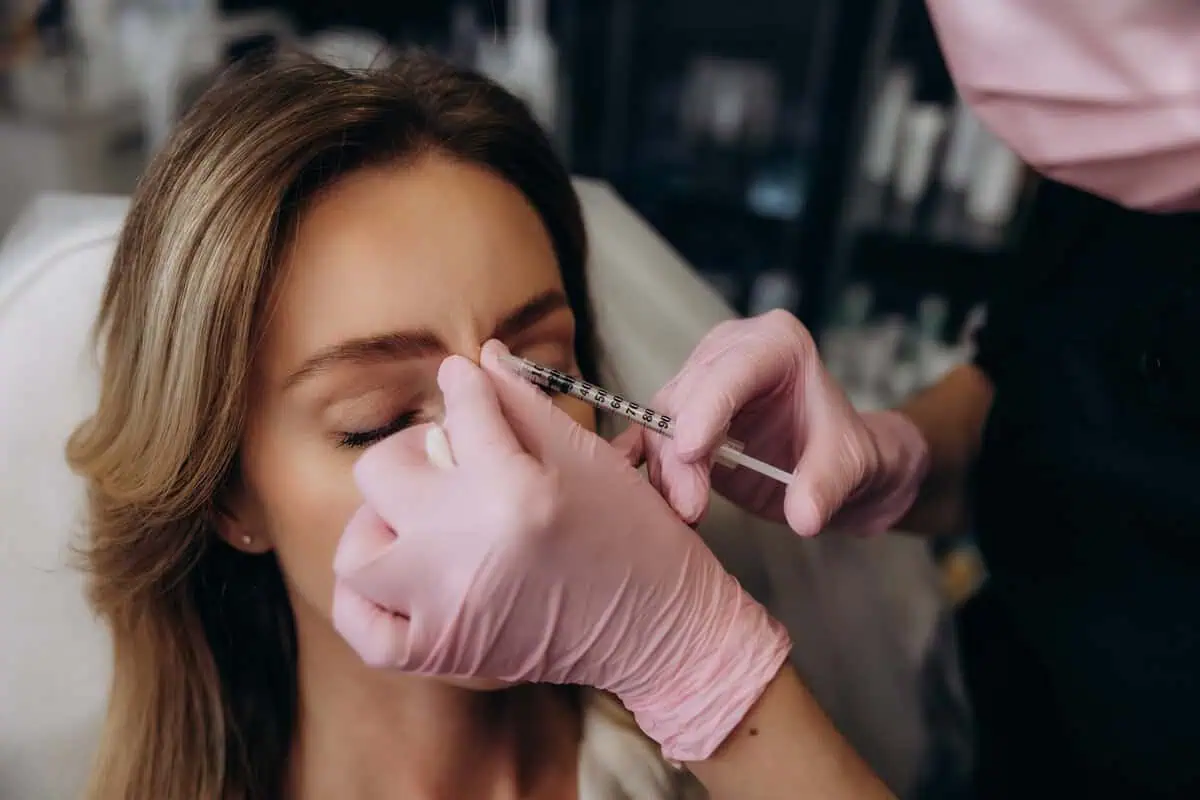
Table of Contents
If you have noticed a faint line on your forehead that sticks around a second longer than it used to, you are not imagining it. That small change is why preventative Botox has become a common first treatment among patients in their late twenties and thirties at Elevate Aesthetics in Orlando.
What Preventative Aesthetics Actually Means
Preventative aesthetics means treating a line while it can still fade on its own. Rather than correcting a crease that has already settled in, small conservative doses of a wrinkle relaxer soften the muscle movement that creates it. The active ingredient is botulinum toxin type A, a purified protein that temporarily reduces how forcefully a muscle contracts. We will stick with the familiar terms: Botox and wrinkle relaxers.
At Elevate Aesthetics in Orlando, those treatments include BOTOX® Cosmetic, Dysport®, and Xeomin®.
Preventative aging care is about maintenance and timing, not about fixing something broken or panicking over a birthday. Someone in her late twenties asking about early Botox is usually not unhappy with her face. She has noticed a line lingering and wants options.
Why Expression Lines Eventually Stop Fading
Lines stop fading because the skin loses its ability to spring back from the same fold. Dynamic rhytides show up only when you move, like the creases when you raise your brows or the fan at your outer eye when you smile. Static lines stay visible even when your face is at rest.
Everyone starts with dynamic lines. The problem is repetition. You raise your brows, squint at a screen, and concentrate thousands of times a year, folding the skin in the same spot. Meanwhile, collagen and elastin, the proteins that give skin its bounce, thin with age. The fold stays the same. The recovery gets slower.
At some point, the line stops disappearing when the muscle relaxes, and a dynamic line becomes static. Timing varies by person based on genetics, sun exposure, and how expressive you are. Softening movement while a line is still dynamic is a different task than smoothing one that has already set.
Why More Clients in Their Late Twenties and Thirties Are Starting Now
Botox for younger clients has grown for reasons that are more practical than trendy.
- Better information. Patients now understand the dynamic versus static difference and would rather maintain a line than correct one later.
- Lower doses and softer goals. Most want to keep their expressions and take the edge off the strongest movements.
- Front-facing cameras. Video calls and phone screens mean people see their own resting and talking faces constantly.
Orlando adds its own factor. Year-round UV exposure accelerates collagen breakdown, and squinting through bright afternoons is its own repeated movement. Anyone considering preventative Botox in Orlando should treat daily sun protection as part of the same plan. An injectable manages movement, not sun damage.
Where Preventative Treatment Usually Starts
Preventative treatment usually starts in the upper face, where movement is most repetitive.
Forehead Lines
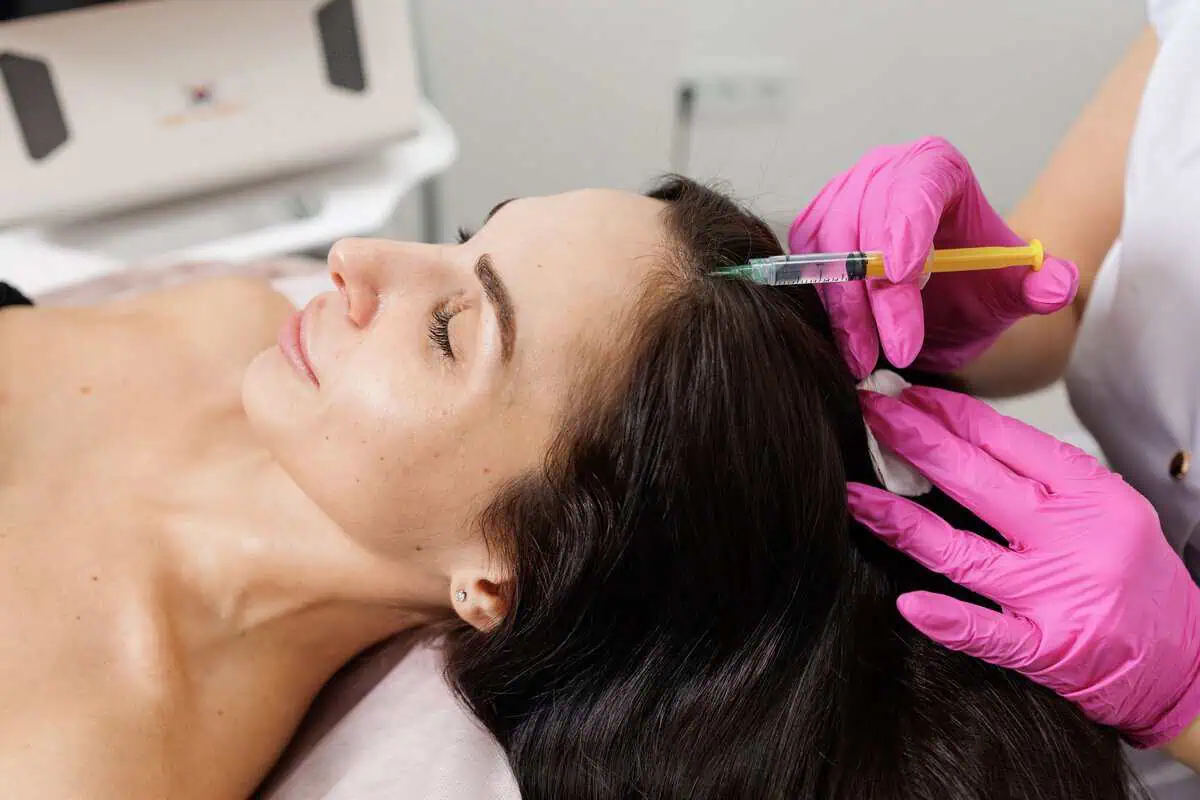
Horizontal forehead lines come from raising the brows, and they are often the first thing patients notice in a photo. Treated preventatively, the dose stays light so the brow still lifts and the face still reads as animated. Providers usually treat between the brows at the same time for balance.
Frown Lines, Also Called the 11s
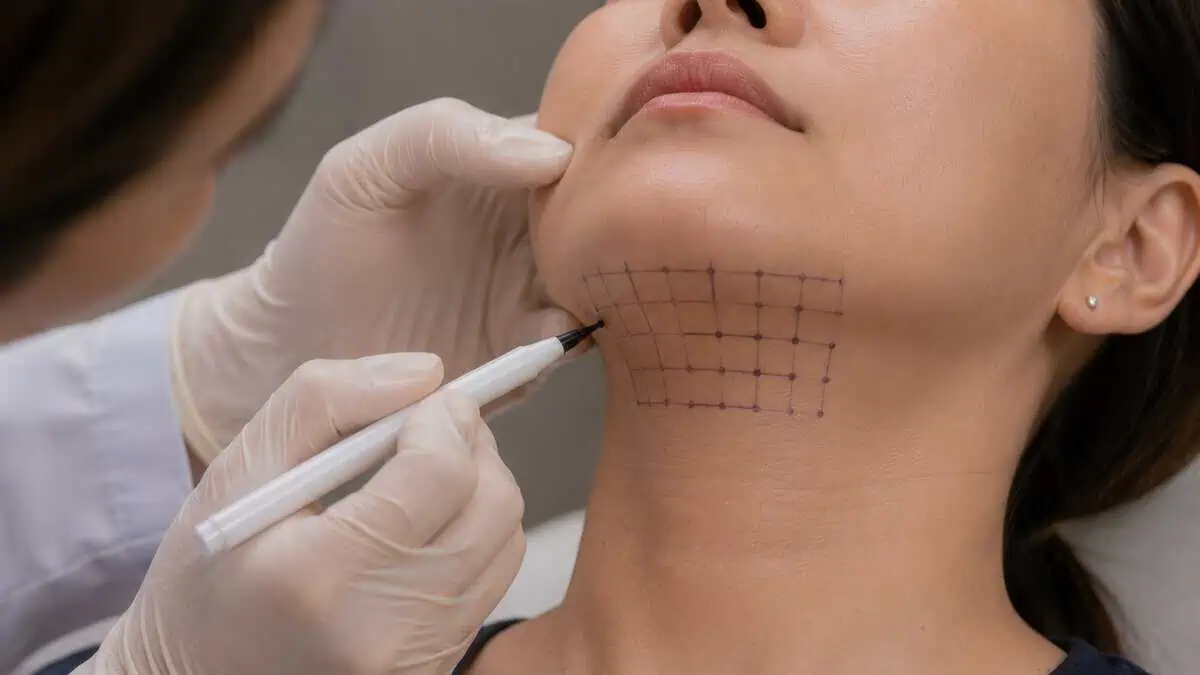
The vertical lines between the brows make the strongest case for early treatment. They deepen with concentration, screen time, and squinting, and the muscle pull there is deep and habitual. Frown lines and forehead lines are also the two areas with FDA approval for BOTOX® Cosmetic and Dysport®, while other uses are off-label.
Crows Feet
Crow’s feet are often the earliest area to change. The fine lines at the outer eye come from smiling and squinting, and it is usually the first place a line lingers after an expression ends. For Botox for fine lines here, the goal is a less tired look, not a smile that has been erased.
What Starting Early Can and Cannot Do
Starting early can soften movement and slow how quickly treated lines deepen. That is a real but modest benefit. Most patients see softening within three to seven days, and results typically last three to four months before muscle activity returns. Results vary, and nothing here is guaranteed.
What it does not do matters as much:
- It does not stop aging or replace sun protection and a consistent skin care routine.
- It does not address volume loss, skin texture, or pigment, which call for different treatments.
- It does not require more product because you started sooner. Preventative dosing is usually lighter than corrective dosing.
How to Know If You Are Ready to Start
The signal is not a birthday. It is when a line stays visible after the expression stops. If your forehead is smooth at rest, there may be nothing to prevent yet. If a faint crease hangs around, that is the window preventative treatment aims at.
Candidacy is assessed in person. These are prescription-only treatments, and a licensed injector reviews your health history, medications, and goals first. Pregnancy, breastfeeding, certain neuromuscular conditions, and some medications rule treatment out. Cosmetic use applies to adults eighteen and over.
If you want the clinical detail first, our page on how wrinkle relaxer treatment works covers each area and what to expect.
Still Not Sure If It Is Too Soon?
That is the right question, and it is easier to answer in person than online. Bring the line you have been watching to a consultation at Elevate Aesthetics in Orlando. Kelley Diefenderfer, APRN, will look at how your face moves and tell you honestly whether starting now makes sense or whether waiting is the better call.
Schedule your Botox consultation today to learn whether preventative treatment is right for you!